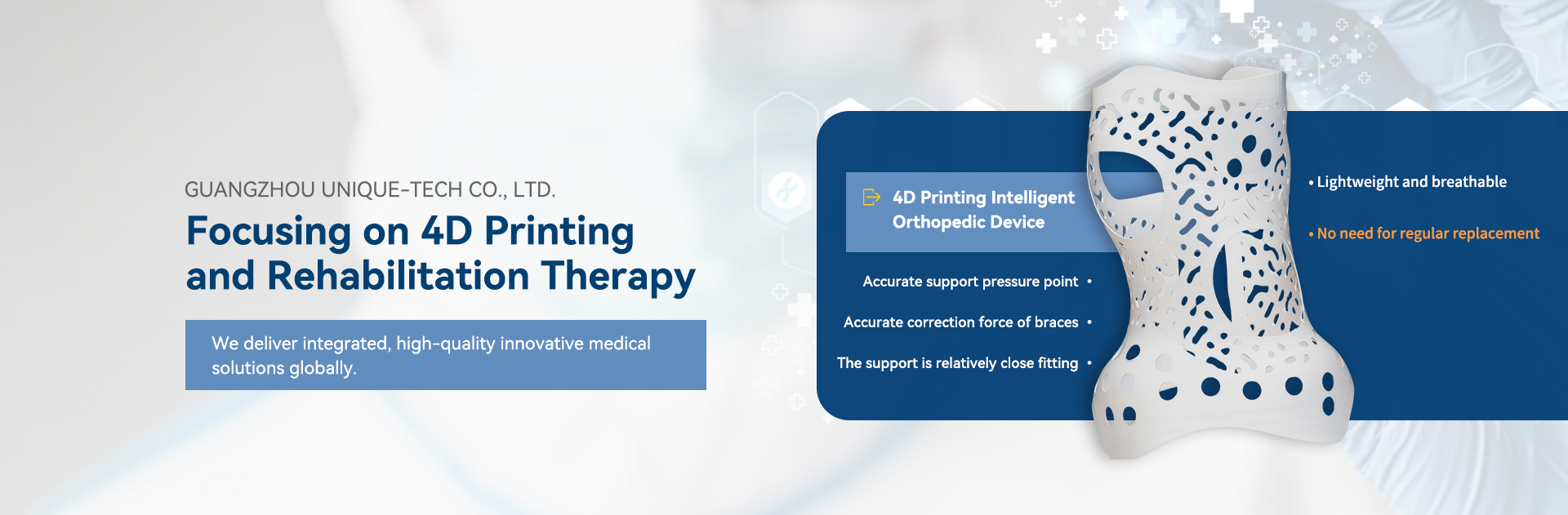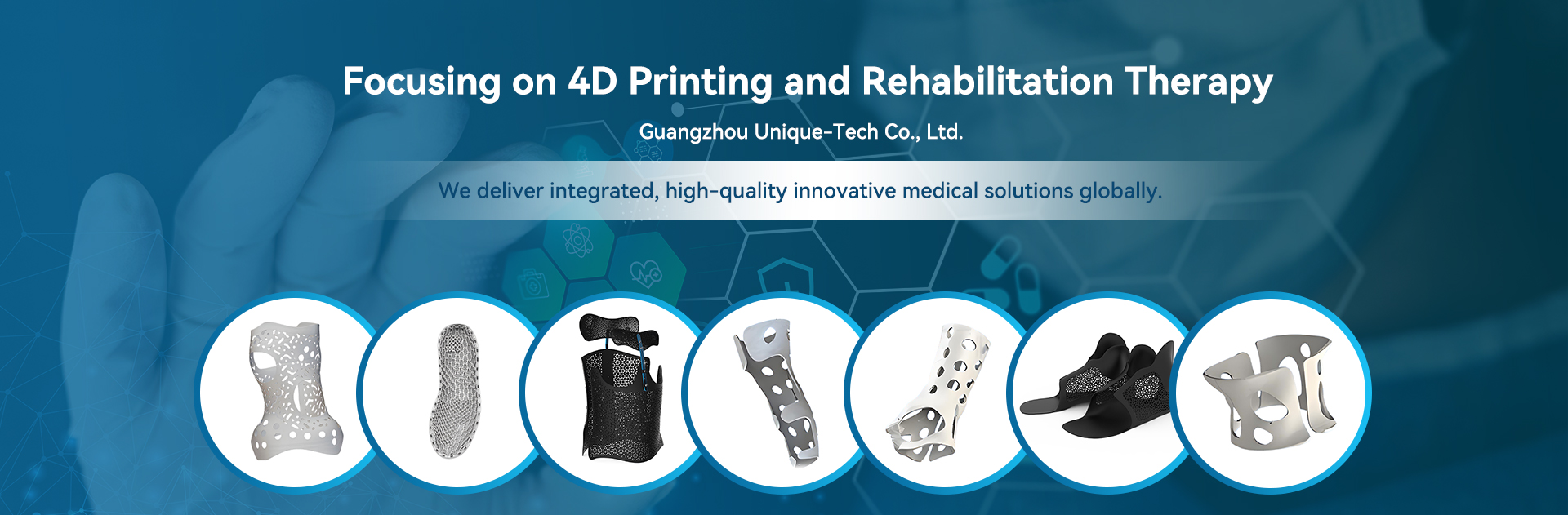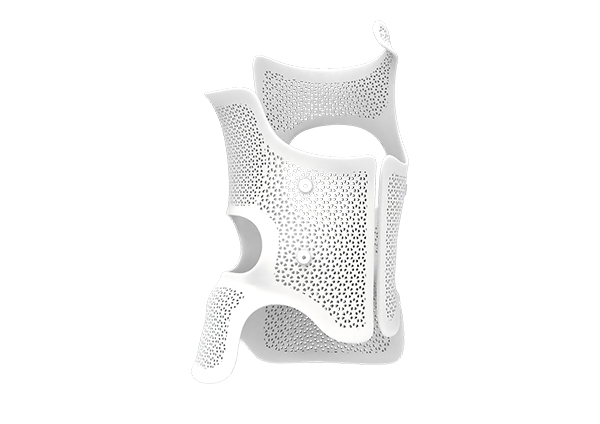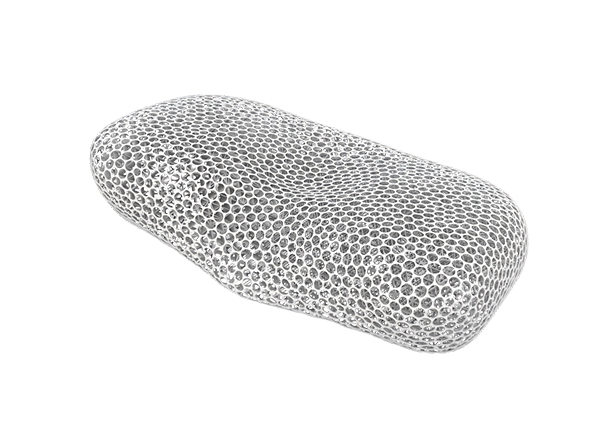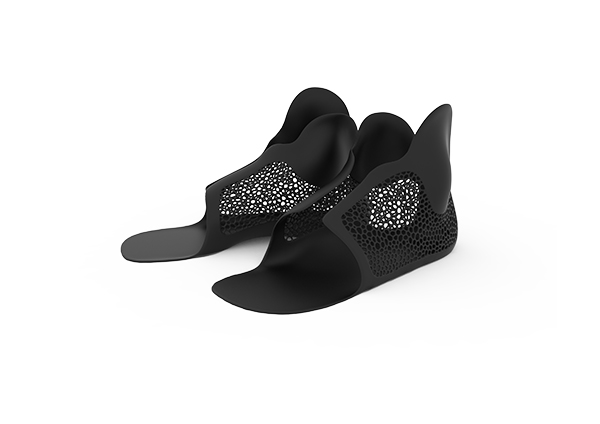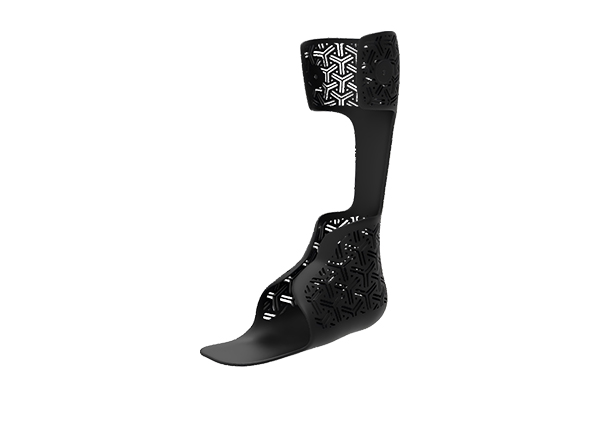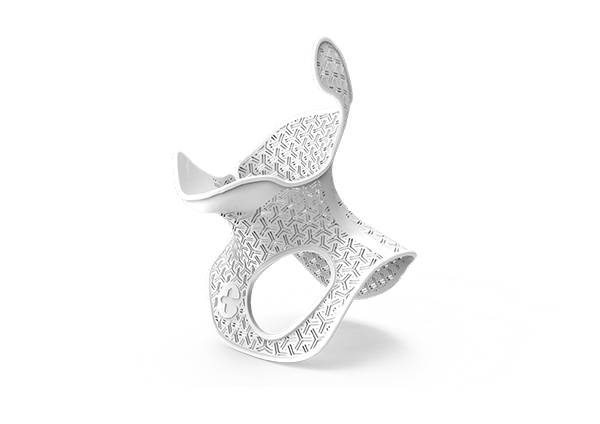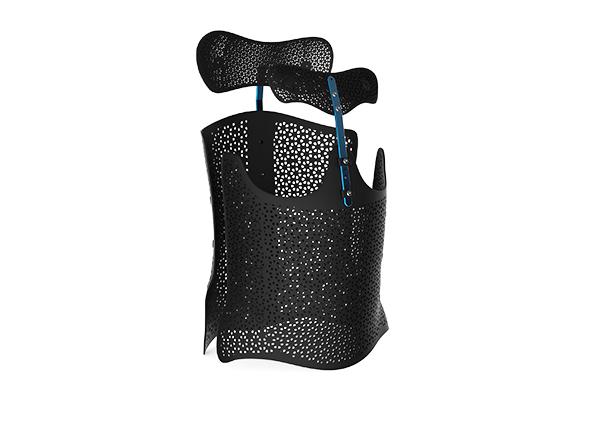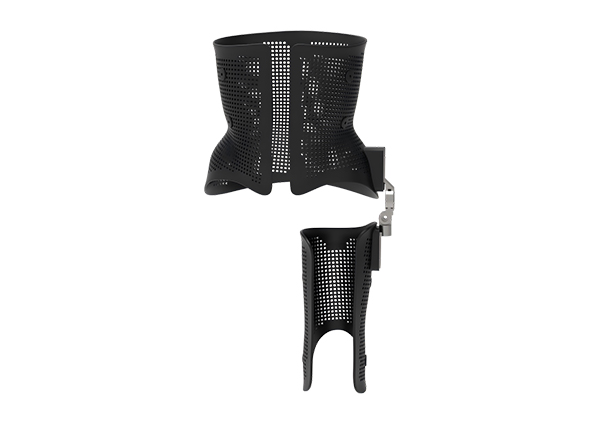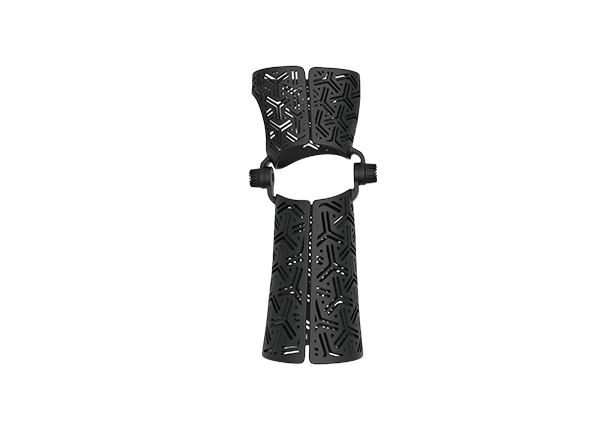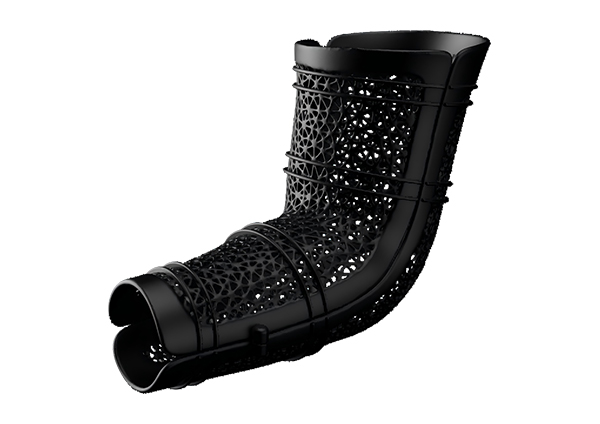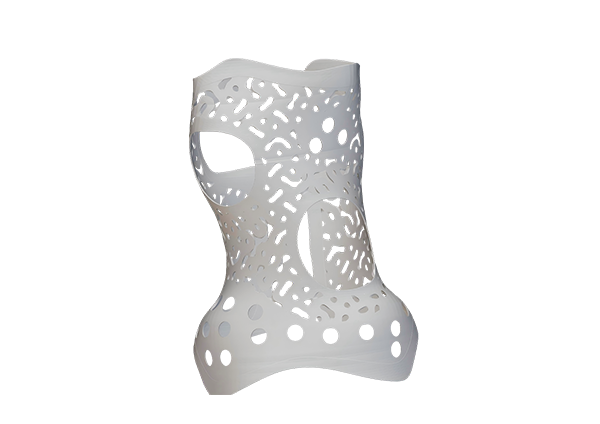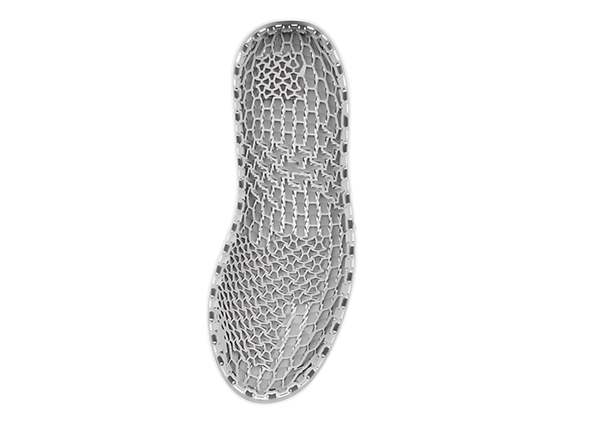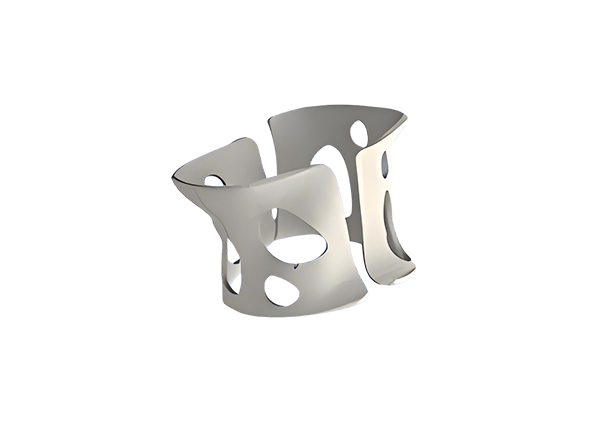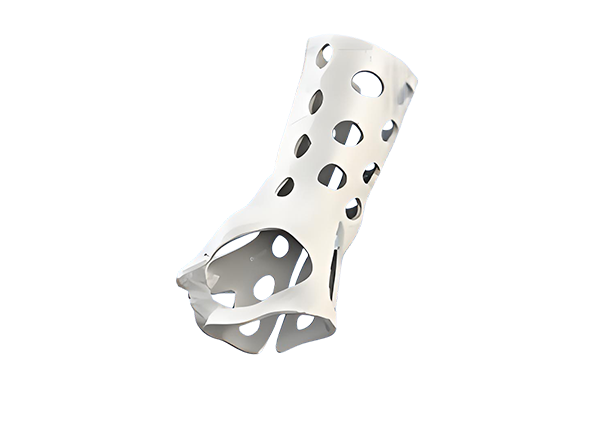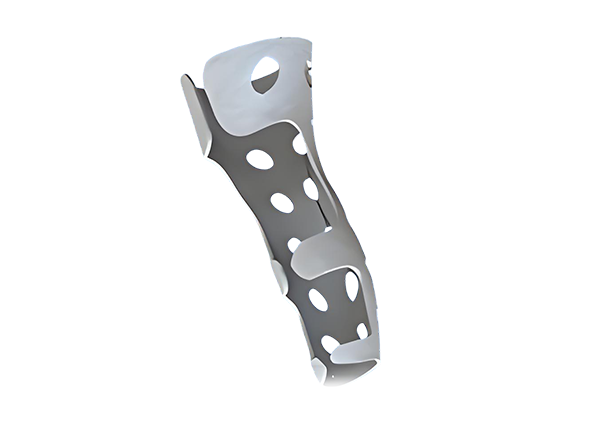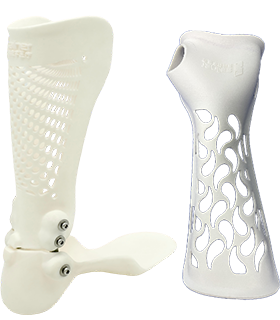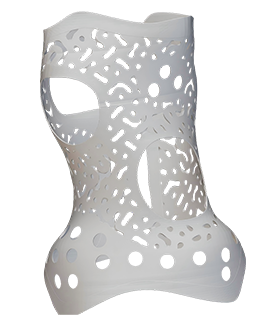
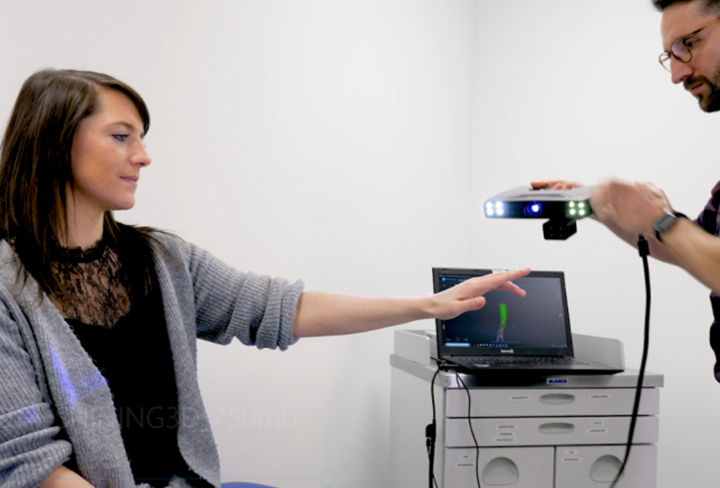

Emphasize the use of 3D printing to create orthotics based on the unique body characteristics of patients, enhancing comfort and treatment effectiveness.
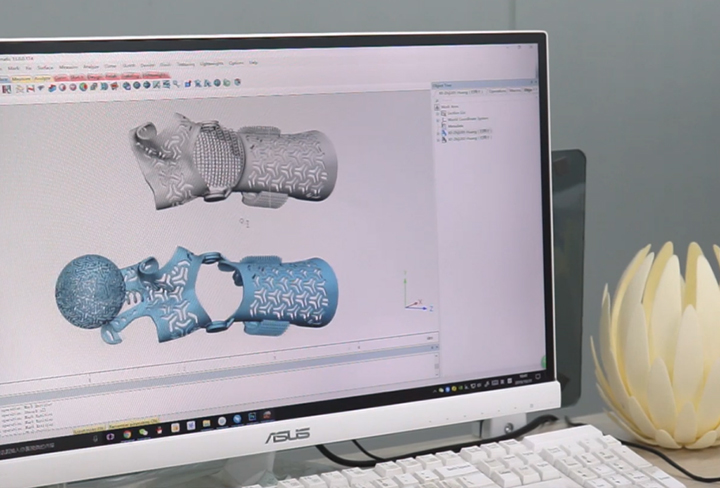
3D printing has completely changed the production logic of traditional rehabilitation equipment by integrating 3D scanning, computer-aided design (CAD), and additive manufacturing technology, with its advantages concentrated in five dimensions.
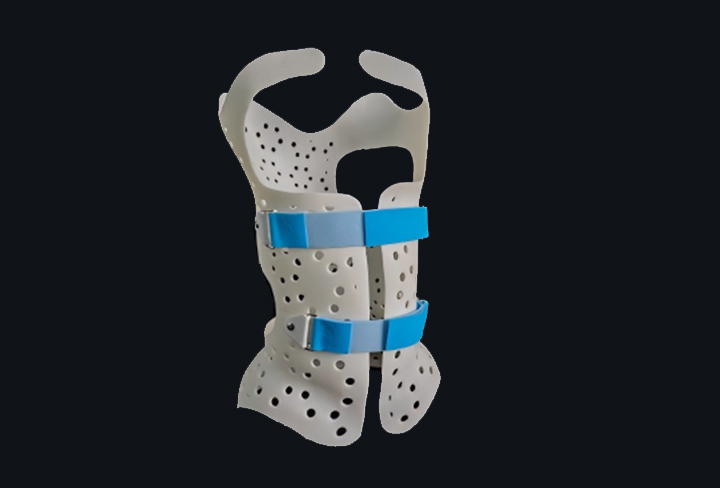
In the past, orthotics played an indispensable role as important assistive devices for treating bone, joint, muscle, and neurological diseases. However, traditional orthotics have many problems that are difficult to ignore.
■ Traditional Rehabilitation Braces
Standardized orthopedic devices: imprecise pressure points, inaccurate corrective force, and poor fit;
Misalignment with skeletal anatomy causes inefficient force transmission and reduced correction efficacy;
Ill-fitting edges compress soft tissues, risking complications like skin ulcers and neurotrophic disorders.
■ New 4D-Printed Rehabilitation Braces
Perfect rigidity-flexibility balance: fracture-resistant, comfortable, and well-tolerated;
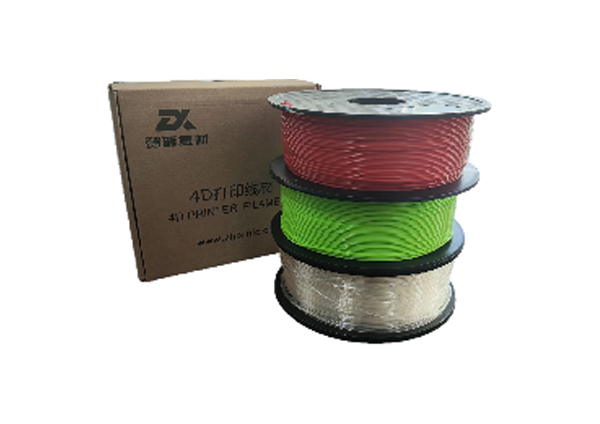
Integrated front-end scanning, prosthesis design, and 4D printing;
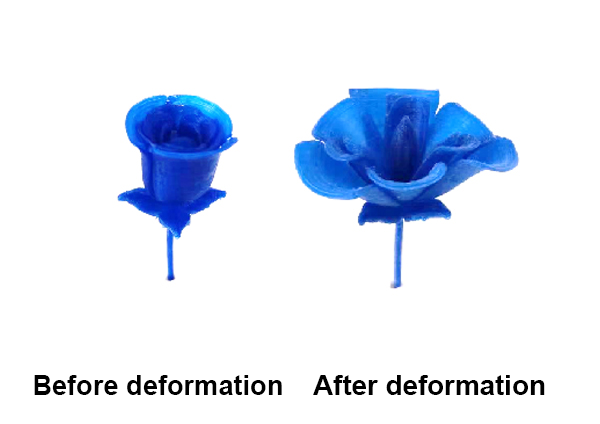
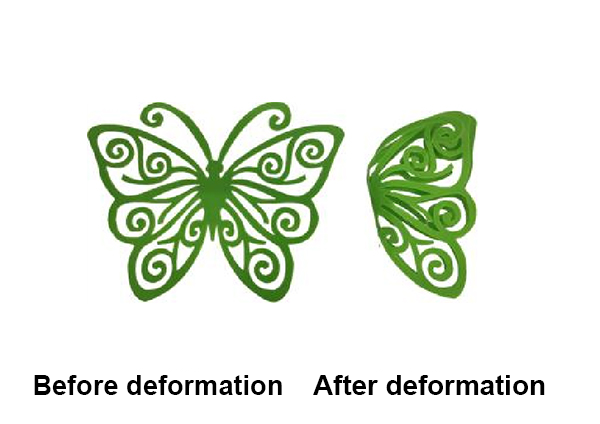
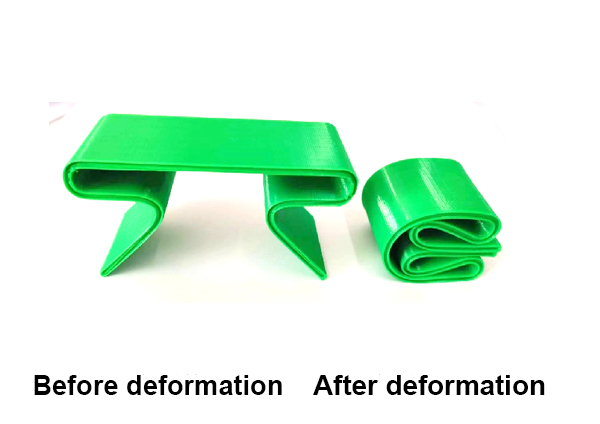
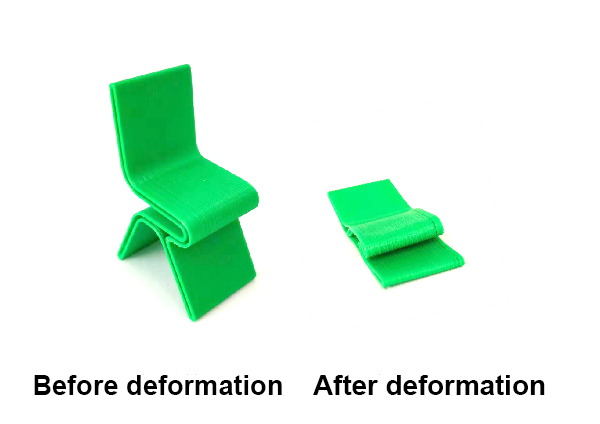
Personalized customization with shape memory for post-forming adjustment;
Precise fixation for pre/postoperative use, excellent shaping for irregular sites (feet, ankles, spine);
Re-shapable via shape memory, superior for post-surgical swelling reduction.